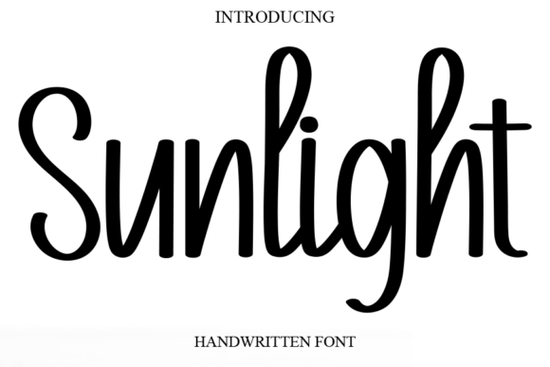
If you're looking for a friendly, flowing handwritten font that works just as well on a wedding invitation as it does on a handmade soap label, Sunlight Font is worth your attention. It’s a gentle cursive script neither overly formal nor too casual with soft curves and natural rhythm. You’ll notice how easily it fits into real-world projects: greeting cards with hand-lettered warmth, boutique branding that feels personal, or even social media graphics where readability meets charm. Unlike some script fonts that sacrifice legibility for flair, Sunlight keeps its shape clear at medium sizes, making it practical for both digital and print use.
When does Sunlight Font work best?
This font shines (pun intended) in contexts where authenticity and approachability matter. Think small-batch product packaging, seasonal promotions for local shops, or custom stationery for milestone celebrations. Its relaxed elegance suits fashion lookbooks, baby shower invites, and café menus places where customers respond to human touch, not sterile uniformity. Because it’s designed with consistent spacing and balanced weight, it pairs well with clean sans-serifs like Montserrat or Lato for contrast without clash.
It’s also a solid choice if you’re building a cohesive brand identity on a budget. One font family can cover headlines, subheads, and short quotes no need to juggle multiple licenses. And since it’s optimized for everyday design tools (Adobe Creative Cloud, Canva, Affinity), you won’t waste time adjusting kerning or fixing rendering issues on web or mobile previews.
How does it compare to other popular script fonts?
Sunlight sits comfortably between bolder display scripts and ultra-thin delicate ones. If you’ve used Genty Font, you’ll recognize a similar warmth but Sunlight has slightly more open letterforms and less dramatic swashes, which helps with readability in smaller layouts. Compared to Mama Font, it feels lighter and airier, with fewer exaggerated terminals. For projects needing subtle sophistication rather than playful energy, Sunlight offers a quieter confidence.
It shares the same thoughtful spacing philosophy as Bailenson Font, but leans more toward everyday versatility than editorial luxury. And while Overthinking Font brings expressive, almost diary-like texture, Sunlight stays consistently smooth and easy to read even in longer phrases. If you like Stylish Font’s balance of modern and organic, you’ll likely appreciate how Sunlight handles line breaks and punctuation without awkward gaps.
Where do designers actually use it?
- Wedding & event design: Save-the-dates, place cards, vow books, and signage especially when couples want something heartfelt but not fussy.
- Print-on-demand products: Tote bags, mugs, and art prints benefit from its soft visual tone, helping designs feel intentional rather than generic.
- Small business branding: Local bakeries, florists, and wellness studios use it for logos and social bios to signal care and personality.
- Crafters & hobbyists: Scrapbookers and bullet journal fans love its flow for titles and captions it doesn’t compete with photos or hand-drawn elements.
One thing to keep in mind: like most script fonts, Sunlight isn’t ideal for body text or long paragraphs. Stick to headings, short quotes, labels, or decorative accents. And always test how it renders at your intended size some screens compress fine details, so preview on actual devices when possible.
If you’d like to see how it’s built and used by other creators, check out the official Sunlight Font page on Creative Fabrica for samples, licensing options, and user-uploaded mockups.
What to try next (a quick checklist)
- Download the free trial version and test it in your current project try pairing it with one neutral sans-serif font you already own.
- Open a blank Canva or Illustrator file and type three short phrases: “Hand-poured candles”, “You’re invited”, and “Thank you” see how it flows in context.
- Compare it side-by-side with Genty Font and Mama Font using the same text and size notice where each feels most comfortable for your audience.
- If you’re selling physical goods, print a small test label or card to confirm color contrast and legibility under natural light.
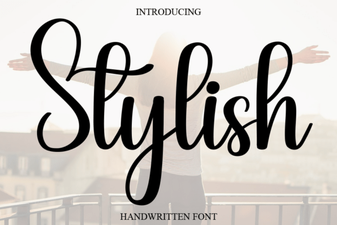 Fresh Font Designs for Modern Projects
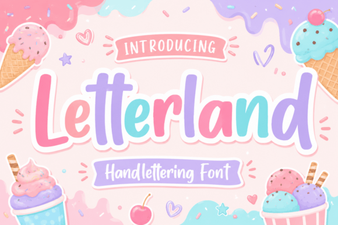 Letterland Fonts for Creative Design Projects
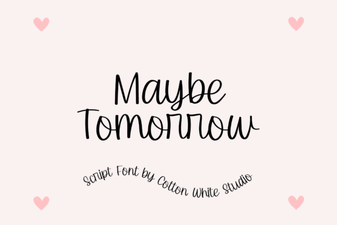 Maybe Tomorrow Font for Creative Projects
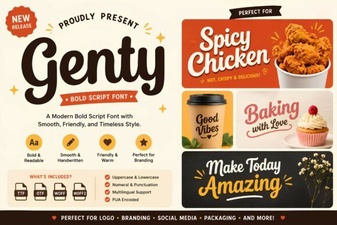 Genty Font: a Creative Typeface for Modern Design
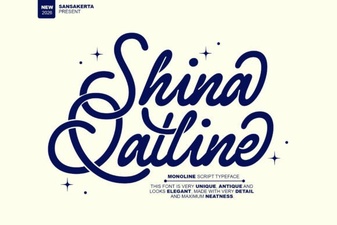 The Shina Qatline Font: Arabic Design Inspiration
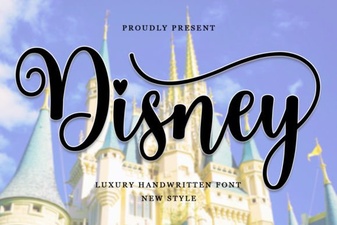 Design Ideas Using the Disney Font Style