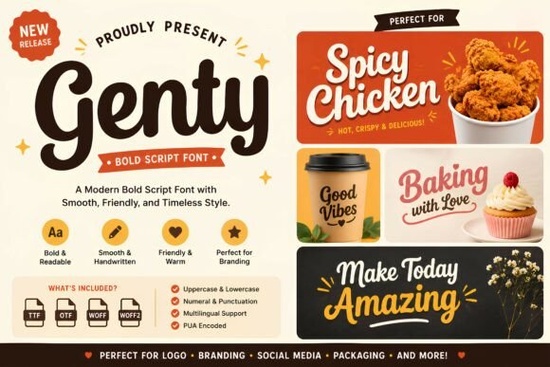
If you're looking for a bold script font that feels hand-drawn but still reads clearly at small sizes especially for things like food packaging, café menus, or t-shirt designs Genty Font is worth your attention. It’s not overly decorative or fussy, and it avoids the “too perfect” look that some script fonts fall into. Instead, Genty balances warmth and professionalism with smooth, confident strokes and strong letterforms. Whether you're designing a local bakery’s takeout bag or a boutique’s Instagram story, it adds personality without sacrificing legibility.
When does Genty work best?
Genty shines in real-world, print-and-digital projects where tone matters as much as function. Think: coffee shop branding (logos, chalkboard-style signs, loyalty cards), artisanal food labels (jam jars, spice blends), or even wedding stationery where you want something modern but approachable. Its bold weight holds up well on fabric, vinyl, and kraft paper so it’s a solid pick for crafters using Cricut or Silhouette machines, or POD sellers uploading to Redbubble or Teespring.
Because it includes both uppercase and lowercase letters, plus standard punctuation and numerals, you can use it for full words not just monograms or short headlines. That makes it more flexible than many single-weight script fonts. And unlike some handwritten styles that blur together at smaller sizes, Genty keeps its shape down to ~14pt in body text handy for menu items or product descriptions.
How does it compare to other popular script fonts?
Like Bailenson Font, Genty has rhythm and flow but Bailenson leans slightly more elegant and formal, while Genty feels grounded and friendly. If you’ve used Highland Grove Font, you’ll notice Genty has less contrast between thick and thin strokes, making it easier to scale across different materials. Letterland Font is bouncier and more playful; Genty sits comfortably between that energy and something more refined, like Farmhouse Font though Farmhouse leans rustic, while Genty stays clean and contemporary.
It also shares some visual DNA with Montana Font both have that confident, slightly tapered stroke but Montana has more vintage texture, while Genty feels smoother and more adaptable to minimalist layouts. You wouldn’t swap them one-for-one, but if you’re building a font collection for client work or recurring brand assets, having both gives you range.
What file formats and features does it include?
The Genty Font package comes in OTF and TTF formats, so it works in Adobe apps (Photoshop, Illustrator, InDesign), Canva (via upload), Cricut Design Space, and most major design tools. There are no alternate glyphs or ligatures included just one well-balanced weight but that simplicity is part of why it’s reliable. No need to hunt for the “right” version of an “S” or “R.” What you see is what you get, and it works consistently across platforms.
It supports Western Latin characters (A–Z, a–z, 0–9, basic punctuation), so it’s suitable for English-language projects right out of the box. If your work involves multilingual clients or European markets, double-check coverage before committing but for US, Canadian, Australian, or UK-based small businesses, it covers the essentials.
Where do people actually use it?
We’ve seen designers use Genty for:
- Restaurant menus and chalkboard-style wall signs
- Small-batch food packaging (honey, granola, cold brew labels)
- Instagram carousel text overlays and Reels captions
- Embroidery digitizing (thanks to its bold, open shapes)
- Sticker sheets and greeting cards sold on Etsy
- Local event posters (farmer’s markets, live music nights, pop-up shops)
One designer told us they used it for a “slow living” lifestyle brand’s tote bags and customers regularly asked where the font was from. Not because it stood out as flashy, but because it felt intentional and human. That’s the quiet strength of Genty: it doesn’t shout, but it holds space.
If you'd like to see how it looks alongside similar typefaces, you can explore Genty Font directly on Creative Fabrica, or compare it with options like Bailenson Font, Highland Grove Font, Letterland Font, Farmhouse Font, and Montana Font.
Before downloading: Open a mockup of your most common project (e.g., a t-shirt front, a product label, or a social post) and test Genty at three sizes: large headline, medium subhead, and small caption. See how it pairs with a simple sans-serif (like Montserrat or Inter) for balance. If it feels easy to read and true to your brand voice without needing tweaks or workarounds it’s likely a good fit.
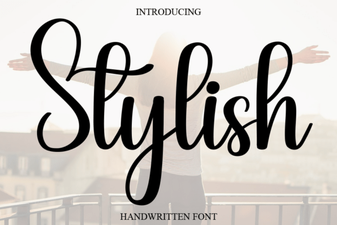 Fresh Font Designs for Modern Projects
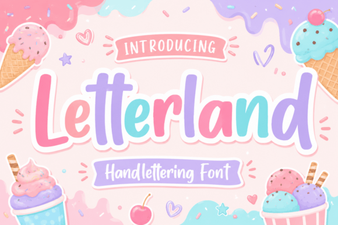 Letterland Fonts for Creative Design Projects
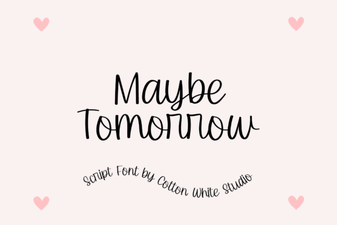 Maybe Tomorrow Font for Creative Projects
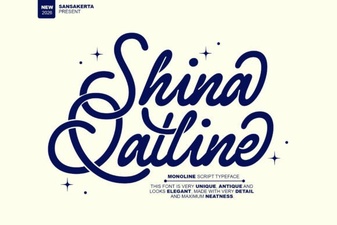 The Shina Qatline Font: Arabic Design Inspiration
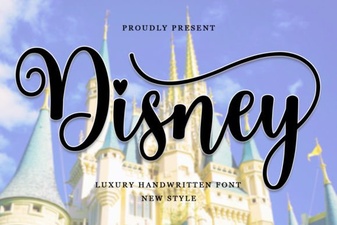 Design Ideas Using the Disney Font Style
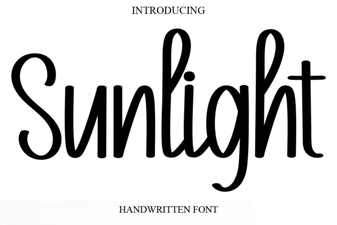 Sunlight Font: Design Ideas & Creative Applications