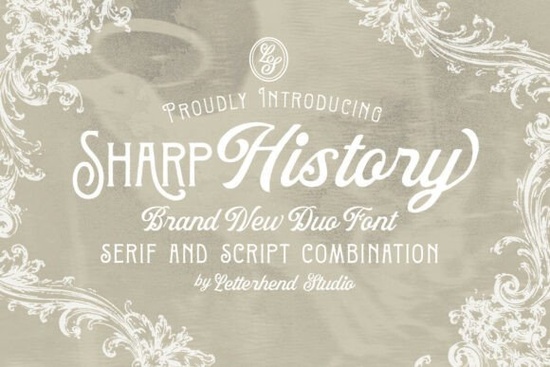
If you're looking for a vintage-inspired font that works equally well for elegant wedding stationery or small-batch product packaging, Sharp History Font is a thoughtful choice. It’s not just one font it’s a carefully matched duo: a decorative serif with subtle ornamental details and a smooth, natural-looking script. Together, they balance structure and softness in a way that feels intentional, not forced. You’ll find it especially useful if you’ve ever struggled to pair fonts that look like they belong together without competing for attention.
When does Sharp History Font work best?
This font shines where personality and polish matter like hand-signed wedding invitations, artisanal soap labels, boutique business cards, or editorial layouts in lifestyle magazines. Its serif has quiet confidence: think refined but approachable, classic but not stiff. The script isn’t overly flourished; it flows gently, making it legible at smaller sizes and expressive enough for quotes or monograms. Because both styles share consistent weight contrast and rhythm, they pair intuitively no guesswork needed.
It’s also versatile across formats. Whether you’re designing for print (letterpress, foil-stamped invites) or digital use (social media banners, email headers), the outlines hold up cleanly. And since Creative Fabrica delivers it in OTF and TTF formats with full Latin character support including ligatures and alternates you can fine-tune details like “&” or “ff” combinations without switching tools.
How is it different from other vintage serif fonts?
Unlike some retro fonts that lean heavily into 1920s deco drama or 1950s mid-century minimalism, Sharp History Font sits comfortably in the quieter end of the vintage spectrum. It avoids extreme contrast or exaggerated serifs, so it doesn’t overwhelm delicate layouts. That makes it a good fit if you’re working with muted palettes, textured papers, or photography-heavy designs.
You’ll notice this same restrained elegance in fonts like Typewriter Minimalist Font, which uses clean monoline serifs for modern clarity, or Richmond Grovelyn Font, where gentle curves and open letterforms give warmth without fuss. Semika Font takes a slightly more contemporary route with its balanced proportions and friendly baseline, while still keeping that serif-rooted charm.
Who uses Sharp History Font and why?
Small business owners crafting their own brand assets often choose it because it adds distinction without requiring design expertise. A coffee roaster might use the serif for their logo and the script for “Est. 2021” on a bag tag. Wedding stationers appreciate how easily it adapts to layered paper textures and gold foil accents. Print-on-demand sellers find it converts well on Etsy or Redbubble especially when used consistently across mockups for mugs, tote bags, and greeting cards.
Crafters who hand-letter or digitize calligraphy also use the script as a starting point for custom signatures or monograms. It’s not meant to replace hand-drawn work but it gives a reliable, graceful base that saves time without sacrificing character.
What about licensing and compatibility?
The license covers personal and commercial use, including unlimited sales of physical products (like printed cards or apparel) and digital end products (like Canva templates or Procreate brushes). You can embed it in PDFs for client delivery, and it works smoothly in Adobe apps, Affinity Suite, Cricut Design Space, and Silhouette Studio. No subscription or cloud sync required just download and go.
For reference, you can see real-world examples and user reviews on Sharp History Font’s official page on Creative Fabrica.
A quick checklist before you use it
- Try pairing the serif for headings and the script for short phrases not long paragraphs to keep readability high.
- Check spacing: the script benefits from slightly increased tracking (letter-spacing) at larger sizes to avoid visual crowding.
- Use OpenType features like stylistic alternates if your software supports them they add subtle variation to repeated letters like “e” or “a”.
- Test print samples first, especially on textured stock the serif’s fine details hold up best on smoother surfaces.
- Remember: it’s designed as a duo, so using only one style may miss part of its intended harmony.
If you already have a project in mind whether it’s rebranding your candle shop or finalizing save-the-dates Sharp History Font is ready to support your voice, not override it.
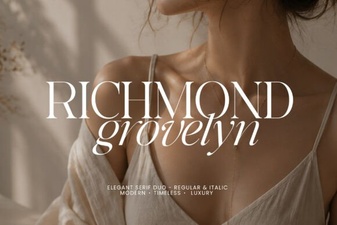 Craft Beautiful Projects with Grovelyn Font Style
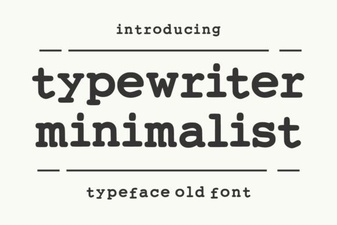 Minimalist Typewriter Font Design & Inspiration
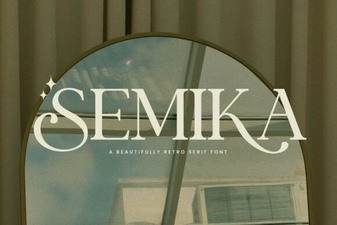 Semika Font: Design Ideas & Creative Applications
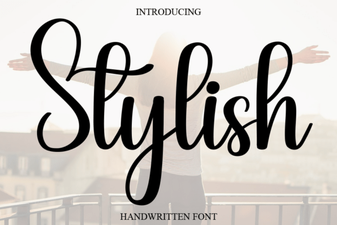 Fresh Font Designs for Modern Projects
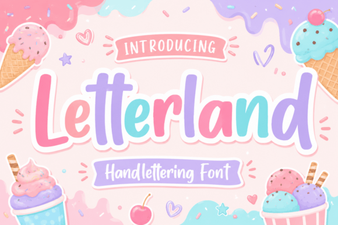 Letterland Fonts for Creative Design Projects
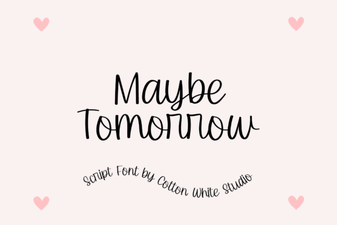 Maybe Tomorrow Font for Creative Projects